


Cape Town, Johannesburg and the Cape Winelands
11 Days – 10 Nights – Political History – Indigenous Heritage – Cultural Immersion
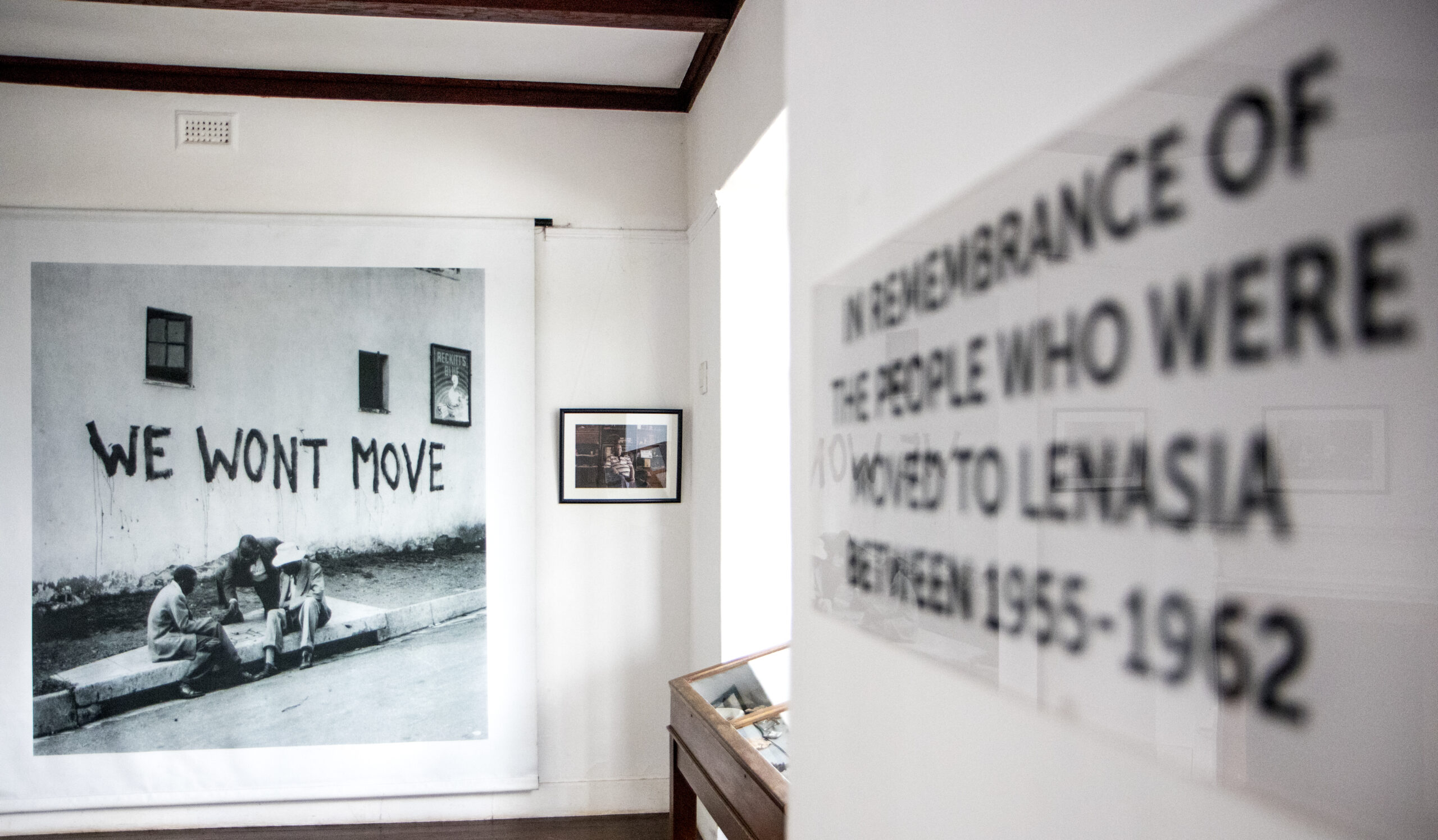
Trevor Huddleston CR Memorial Centre
Johannesburg: Origins and Struggle
Day 1-3. The Human Story and the Fight for Freedom
The journey begins at the Wits Origins Centre, where we engage with palaeoanthropological and genetic materials that chart the origins of humankind in Africa. Our exploration of the city continues with a deep dive into the history of Soweto, including a visit to the Apartheid Museum and the home of Nelson Mandela. We examine how Soweto is shaping the future of Johannesburg from a contemporary cultural and economic point of view.
We further unpack the political history through a Johannesburg history walking tour and an Art and Justice tour at Constitution Hill. This former prison, which housed figures such as Winnie Mandela, Nelson Mandela, and Fatima Meer, serves as a poignant backdrop to explore our political timeline. Our evenings feature engagements with local creative figures, including a Pan African dinner with Sanza Sandile and an African Symphony Safari performance by composer Mac McKenzie.
Cape Town: Colonial and Indigenous Layers
Day 4-7. Table Mountain, Slavery, and Resistance
Upon arriving in Cape Town, we ascend Table Mountain—referred to as Hoerikwaggo by the Khoesan—to map out the city's indigenous and colonial history. We continue this exploration through a walking tour of the city, focusing on the Slave Lodge and the impacts of colonial rule. Our days are spent moving through the Revolution Routes of the city, introducing key figures like Cissie Gool and Imam Haron, and exploring the 1976 uprising.
A central component of our time here is the Camissa walk, exploring the water trails that shaped the city's origins. We also visit the District Six Museum, a living archive of forced removals, and take the ferry to Robben Island to engage with the legacy of political prisoners like Robert Sobukwe and Nelson Mandela. The programme also incorporates the Theatre in the Backyard experience, allowing for direct community engagement around history and life in South Africa today.
The Winelands: Land and Heritage
Day 8-9. Pniel, Stellenbosch, and Memory
In the final phase, we shift focus to the Dwars River Valley, the slave centre of the region. We are hosted for a heritage and history walk in Pniel, which includes the Pniel Museum, followed by a home-cooked traditional lunch where we explore stories of life through apartheid and democracy. We also conduct an Eco Safari at Avondale Wine Estate to understand the link between the land and the history of farming in the region.
Our final explorations in Stellenbosch include an historical walking tour and a visit to the Mandela statue outside Drakenstein Prison, where Mandela spent his final years of imprisonment negotiating liberation. The journey concludes with time to reflect on the complex intersection of land, culture, and memory that defines the Cape Winelands.